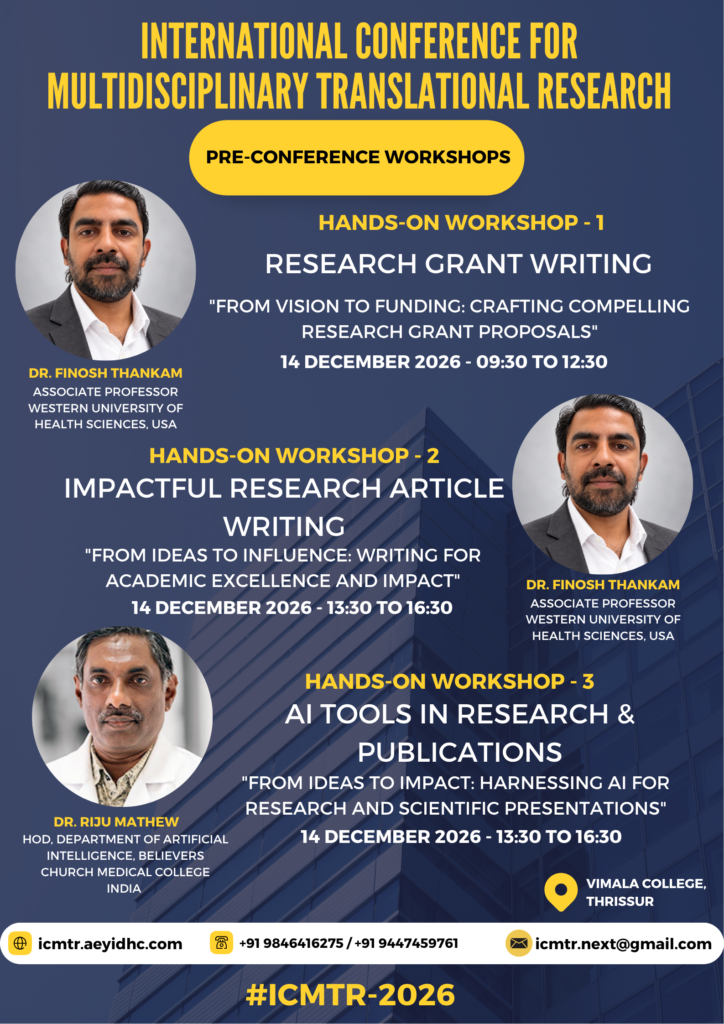
INTERNATIONAL CONFERENCE FOR MULTIDISCIPLINARY TRANSLATIONAL RESEARCH 2026
Pre-conference Workshop: 14th December 2026
Conference: 15th & 16th December 2026
Venue: Vimala College, Thrissur
A collaborative initiative of the Association of Multidisciplinary Translational Researchers (AMTR), AEYID-HC, Global Young Researchers’ Academy (GYRA), and Vimala College
Where Disciplines Meet,
Discoveries Become Impact.
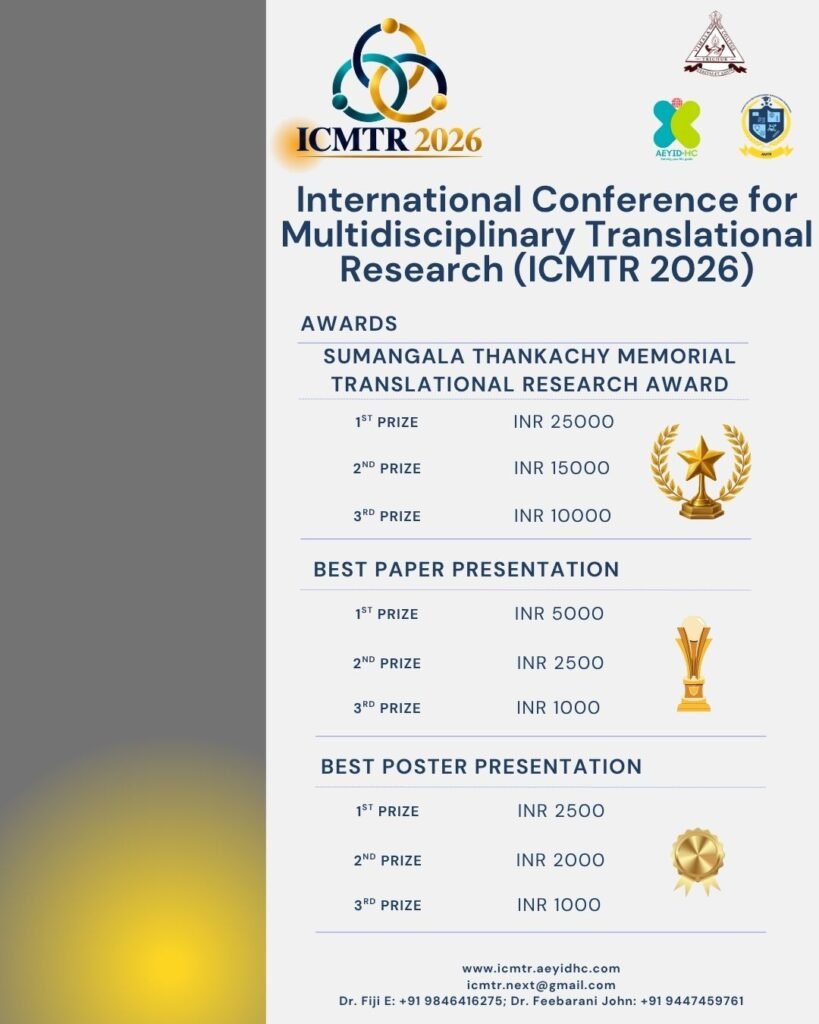
SUMANGALA THANKACHY MEMORIAL TRANSLATIONAL RESEARCH AWARD
Turning discoveries into solutions. Turning research into hope.
Celebrating research that bridges scientific discovery and real-world impact. Winners will be selected from applications submitted specifically for this award category.
🥇 1st Prize: INR 25,000
🥈 2nd Prize: INR 15,000
🥉 3rd Prize: INR 10,000
Let your research inspire change; and help shape a better tomorrow.
BEST PAPER PRESENTATION
🥇 1st Prize: INR 5,000
🥈 2nd Prize: INR 2,500
🥉 3rd Prize: INR 1,000
BEST POSTER PRESENTATION
🥇 1st Prize: INR 2,500
🥈 2nd Prize: INR 2,000
🥉 3rd Prize: INR 1,000
Review papers will also be considered for oral and poster presentations, subject to a thorough screening process.
Join us at ICMTR 2026, the International Conference for Multidisciplinary Translational Research and Congress of the Association of Multidisciplinary Translational Researchers (AMTR), where bold ideas spark collaboration and research moves towards meaningful change.
Bringing together leading experts, emerging researchers, and innovators across biomedical sciences, engineering, data science, and technology, ICMTR creates a space to challenge boundaries, share discoveries, and explore solutions to society’s pressing challenges.
Connect across disciplines. Give your ideas a wider audience. Build partnerships that move knowledge into practice. Whether you are shaping your first research idea or advancing an established field, your perspective can help turn discovery into a healthier, more sustainable future.
Bring your curiosity. Share your vision. Be part of the impact.
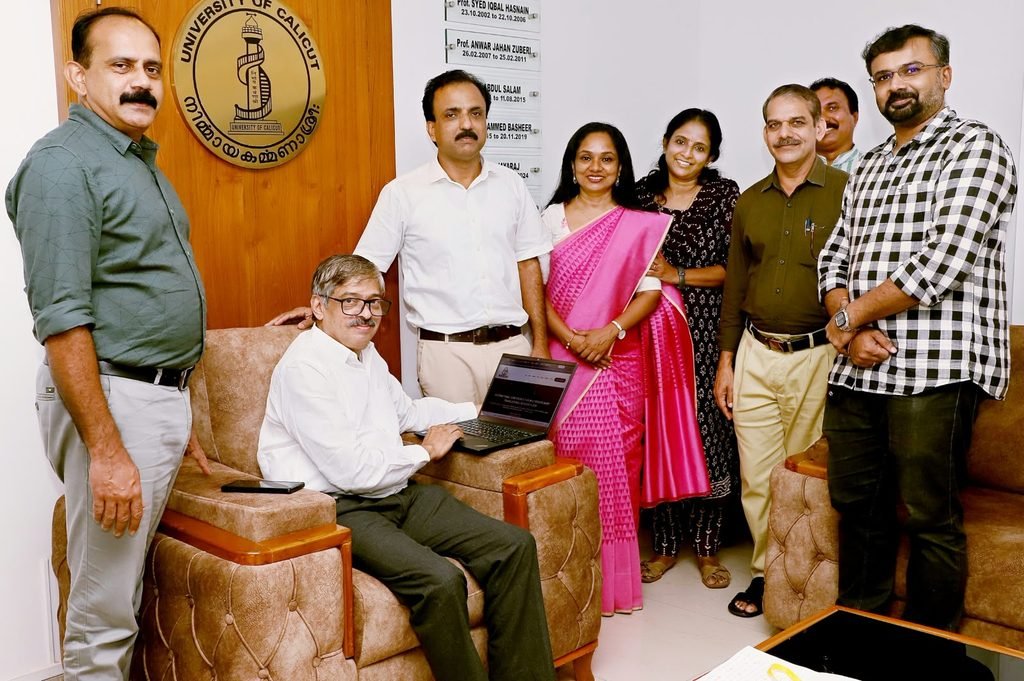
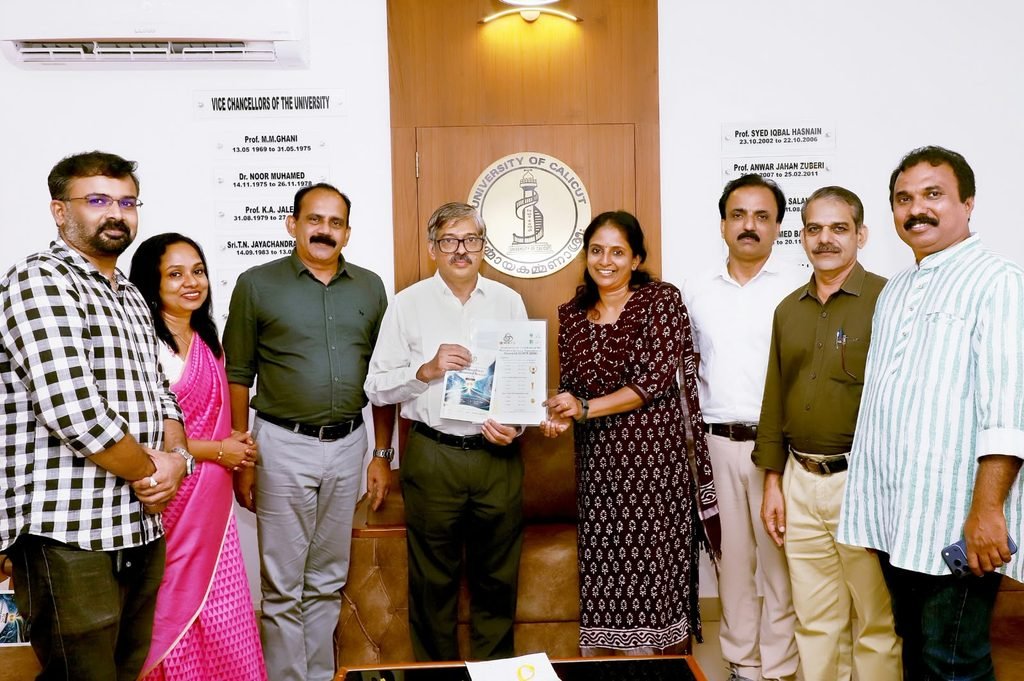
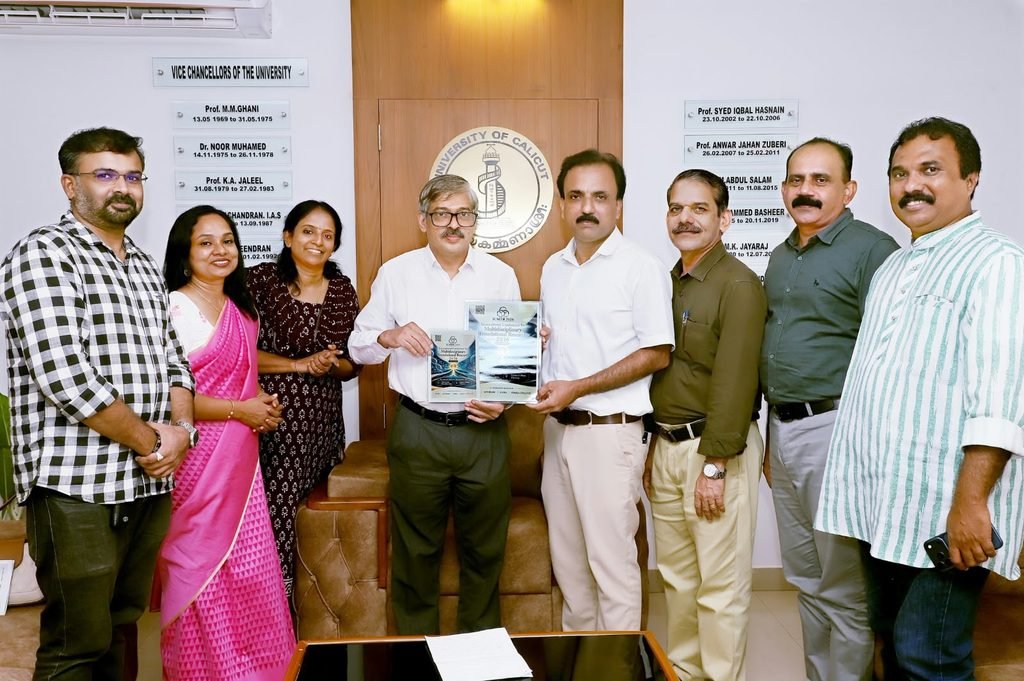
The ICMTR brochure, awards and website were officially launched by Prof. (Dr.) P. Raveendran, Vice-Chancellor of the University of Calicut.




















Submission of Abstracts
1. Submission Process
- Online Submission: Submit the abstract by email: icmtr.next@gmail.com, including the names and affiliations of all authors.
- When submitting abstracts/presentations for the Translational Research Awards, please use “TRA_Title” as the email subject, replacing “Title” with the title of your project. The Translational Research Award category aims to empower and recognise promising young scientists and emerging researchers for their contributions to translating research into meaningful societal impact.
- Primary Upload Responsibility: Only the first author should send the abstract. Co-authors may register under “Participation Only.”
2. Abstract Format
- Length: Abstracts must not exceed 250 words.
- File Type: Microsoft Word (.doc or .docx).
- Font: Times New Roman, 12-point font.
- Line Spacing: 1.5 spacing for the body; single spacing within sections.
3. Abstract Structure
- Title of Paper: Centered, uppercase, bold, font size 12.
- Authors and Affiliations: Centered in title case, font size 12. Names should be bold, with the presenting author’s name underlined.
- Body: Organize the content into Introduction, Methods, Results, and Conclusion.
- Keywords: Include relevant keywords below the abstract.
4. Presentation Options
- Indicate your preferred presentation format (Oral, poster, or Virtual) and mention the subject code for the abstract. The review committee will make final decisions on presentation type and subject area based on evaluation scores. Review papers will also be considered for oral and poster presentations, subject to a thorough screening process.
5. Review and Acceptance
Detailed Guidelines: Accepted abstracts selected for presentations will receive detailed presentation guidelines (formatting, time allocation, etc.).
Abstracts will be reviewed by a committee, which will make the final determination on acceptance, presentation type, and subject area.
Subject codes:
Code 1: Biotechnology
Code 2: Health Sciences
Code 3: Life Sciences
Code 4: Engineering & Technology
Code 5: Public Health
Code 6: Mathematical and Statistical Sciences
Please send your abstract by email, as an attachment, to icmtr.next@gmail.com. You will receive an email acknowledging your abstract submission within two days. If you do not receive the acknowledgement, please contact us at +91 9846730308.
Translational Research Award – Eligibility Criteria
The Translational Research Award recognises innovative research that demonstrates the potential to translate scientific discoveries into practical applications with meaningful benefits to society.
Eligibility and Evaluation Criteria:
- Translational Impact: The research must demonstrate a clear pathway from scientific discovery to practical application, addressing real-world challenges or unmet needs.
- Societal Impact: The research should demonstrate measurable or potential benefits to society, including improvements in healthcare, quality of life, sustainability, technology, or community well-being.
- Career Stage: Applications are open to PG dissertations, PhD scholars, PhD graduates, and early-career researchers within two years of completing their PhD.
- Patent Restriction: Research innovations, technologies, or outcomes that have already been patented are not eligible for consideration under this award.
Selection Priority: Applications will be evaluated primarily on their originality, translational potential, practical applicability, innovation, and societal impact rather than academic publications alone.
Important Note: Applicants must declare the patent status of their submitted research. Any submission involving an already patented innovation or research outcome will be disqualified from the award selection process.
6. Awardee Presence and Cash Prize Policy:
All awardees are required to be physically present at the award ceremony to receive their awards. In the event of an awardee’s absence during the award presentation, the associated cash prize will be redirected to the GYRA Fund to support the research, academic development, and capacity-building activities of young GYRA scholars.